
Cost of Living in Kiambu: A Guide for Tenants and Buyers
Kiambu has matured from a Nairobi dormitory town into a self-sustaining economy — and it generally runs 15–25% cheaper than equivalent Nairobi neighborhoods. Here's the full 2026 budget breakdown.
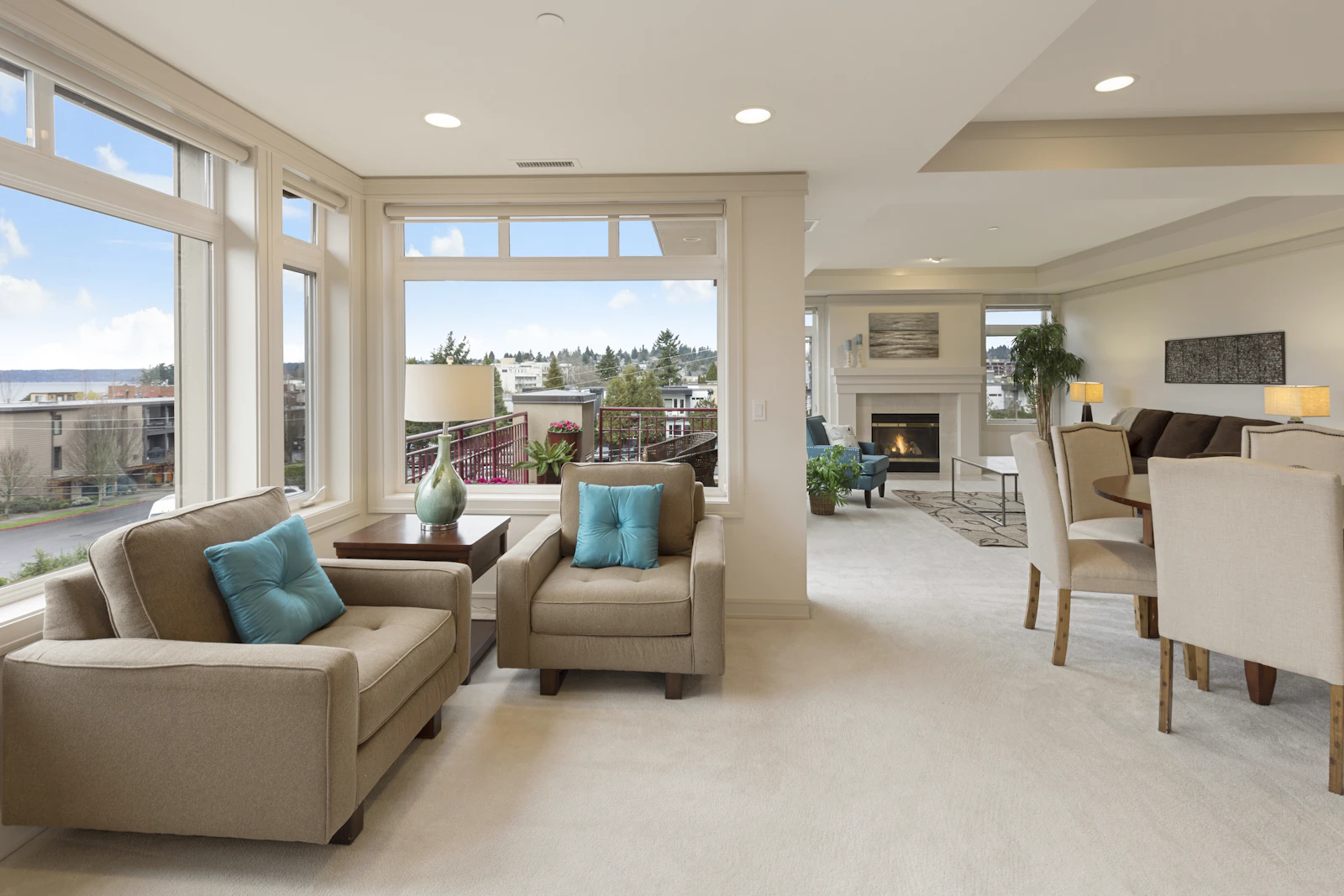
Kiambu County has rapidly evolved into one of the most attractive residential and commercial frontiers bordering Kenya's capital. Once known primarily as a lush agricultural zone defined by coffee and tea plantations, it is now an integrated, dynamic metropolis that offers a compelling alternative to Nairobi's high-density urban core. Working professionals and growing families are flocking to its diverse towns — from high-end enclaves like Thindigua and Ruaka to university hubs like Juja and commuter corridors like Kikuyu.
If you are planning a move or a property acquisition here in 2026, the real question is: what does it actually cost to live, rent, or buy in Kiambu today, and how do daily expenses compare to Nairobi? This guide breaks down the real cost of living in Kiambu County — whether you plan to rent a modest apartment, buy a family home, or build from the ground up.
1. Kiambu vs. Nairobi: the macro economic shift
Historically, Kiambu was a "dormitory town" where workers slept before commuting into Nairobi. Today that narrative has shifted — Kiambu has matured into a self-sustaining economic ecosystem with major shopping malls, national school branches, medical facilities, and private-sector jobs.
From a budgeting perspective, Kiambu generally offers a 15% to 25% cost saving compared to equivalent Nairobi neighborhoods, particularly on housing space and fresh food. While high-end pockets (bordering Runda or near Gigiri) command premium prices, the overall cost-to-benefit ratio still favors Kiambu. For buyers, it means significantly larger parcels of land for the same money; for tenants, larger, more modern apartments with newer infrastructure for the same rent you'd pay for an older, cramped unit in Nairobi.
2. Tenant budgeting: rental market trends in 2026
Rental rates vary depending on proximity to major infrastructure like the Northern Bypass, Thika Superhighway, or Waiyaki Way. Ruaka and Thindigua command premium rents thanks to upscale developments; Juja, Ruiru, and Kikuyu offer massive cost-efficiencies. Here's a look at typical monthly rents by sub-county and housing type:
| Housing type | Budget towns (Juja, Kikuyu, Ruiru) | Mid-tier towns (Thindigua, Kiambu Town) | Premium towns (Ruaka, Fourways Junction) |
|---|---|---|---|
| Bedsitter / studio | KSh 5,000–8,000 | KSh 8,000–13,000 | KSh 15,000–25,000 |
| 1-bedroom apartment | KSh 8,000–15,000 | KSh 18,000–25,000 | KSh 25,000–35,000 |
| 2-bedroom apartment | KSh 15,000–28,000 | KSh 28,000–38,000 | KSh 40,000–55,000 |
| 3-bedroom apartment / townhouse | KSh 25,000–45,000 | KSh 45,000–65,000 | KSh 65,000–100,000+ |
Pro-tip for renters: always verify if the listed rent includes the service charge. In newer apartments with lifts and backup generators, especially in Ruaka or Thindigua, service charges can add KSh 2,500–5,000 to your monthly housing obligation.
When comparing rents, browse verified listings on Haooze to see real current asking prices rather than relying on averages alone.
3. Buyer budgeting: property and land prices in Kiambu
For home buyers and investors, Kiambu is a prime target — the market splits between high-density modern apartments and gated-community estates with townhouses and standalone bungalows.
Land acquisition costs
Constructed homes & apartments (for sale)
Before you commit to a purchase, see our full breakdown of stamp duty, legal fees, and closing costs for what to budget on top of the sticker price.
4. Utility bills: electricity, water, internet, and waste
Electricity (KPLC)
Almost all modern apartments use prepaid token meters. A typical monthly electricity bill for a family of three in a 2-bedroom apartment runs around KSh 2,500–4,500, unless you make heavy use of instant hot-water showers or electric ovens.
Water supply
Internet & fibre connectivity
Kiambu is well-covered by fibre providers including Safaricom Home Fibre, Zuku, Liquid Intelligent Technologies, and JTL Faiba. A standard 10–20 Mbps plan costs KSh 3,000–4,100 per month; premium 50 Mbps+ plans go up to KSh 5,500–7,500.
5. Groceries and food: local markets vs. premium supermarkets
Kiambu is a leading producer of vegetables, dairy, and fruit, so buying directly from local markets dramatically cuts your grocery bill compared to Nairobi's inner suburbs. At markets like Kiambu Town, Ruiru, Wangige, or Kikuyu:
Kiambu is also well-stocked with supermarkets — Quickmart, Naivas, Carrefour, and Chandarana Foodplus at major malls — but shopping fresh produce from open-air markets can trim KSh 8,000–12,000 off your monthly household budget.
6. Transport and commute costs: navigating the bypasses
A. Public transport (matatus)
B. Private driving
The Northern, Southern, and Western Bypasses let you skip the CBD entirely, saving fuel and time if you work in Westlands, Gigiri, or along Mombasa Road. An average daily commute (roughly 15–30 km round-trip) requires KSh 12,000–22,000 per month in fuel, depending on congestion and vehicle size.
7. Lifestyle, healthcare, and education costs
Kiambu has become an educational and lifestyle powerhouse — residents rarely need to drive into Nairobi for schools, hospitals, or weekend entertainment.
Education costs
Healthcare facilities
Major hospital branches line Kiambu Road, Thika Road, and Kikuyu. Outpatient consultation fees at private clinics (Aga Khan, Gertrude's, Avenue Hospital) typically run KSh 1,500–3,000 per visit, excluding labs and pharmaceuticals.
8. Real-world monthly budgets: frugal, mid-range, and premium
Scenario A: the frugal budget (single professional / student)
For budget-friendly locations like Juja (near JKUAT), parts of Kikuyu, or Ruiru — local markets and public transport.
Scenario B: the mid-range budget (young couple / small family)
The typical middle-class household in Thindigua, central Kiambu Town, or a standard gated estate in Ruiru — a mix of supermarket shopping and a small, fuel-efficient vehicle.
Scenario C: the premium budget (established family / expatriate)
For those prioritizing maximum security and luxury in Ruaka, Fourways Junction, or standalone properties near Kihingo and Runda — private schooling, premium gym memberships, and private vehicle commuting.
9. Final summary and actionable advice
Kiambu bridges the gap between high-quality modern living and fiscal sensibility. Moving here in 2026 means spacious apartments, top-tier schools, clean air, and strong transport networks — while keeping more of your income. If you are planning the transition, here is your quick checklist:
Ready to look? Browse affordable houses in Kiambu under KES 50,000, compare against the cost of living in nearby Thika, or search verified listings directly.