
Property Market Update Mombasa 2026: Best Coastal Areas for Investment
Mombasa's real estate is shifting from a seasonal vacation-home market into a year-round economic engine — averaging 6.2% rental yield and 7.2% price appreciation in 2026. Here's where the real returns are, and where the risk is.
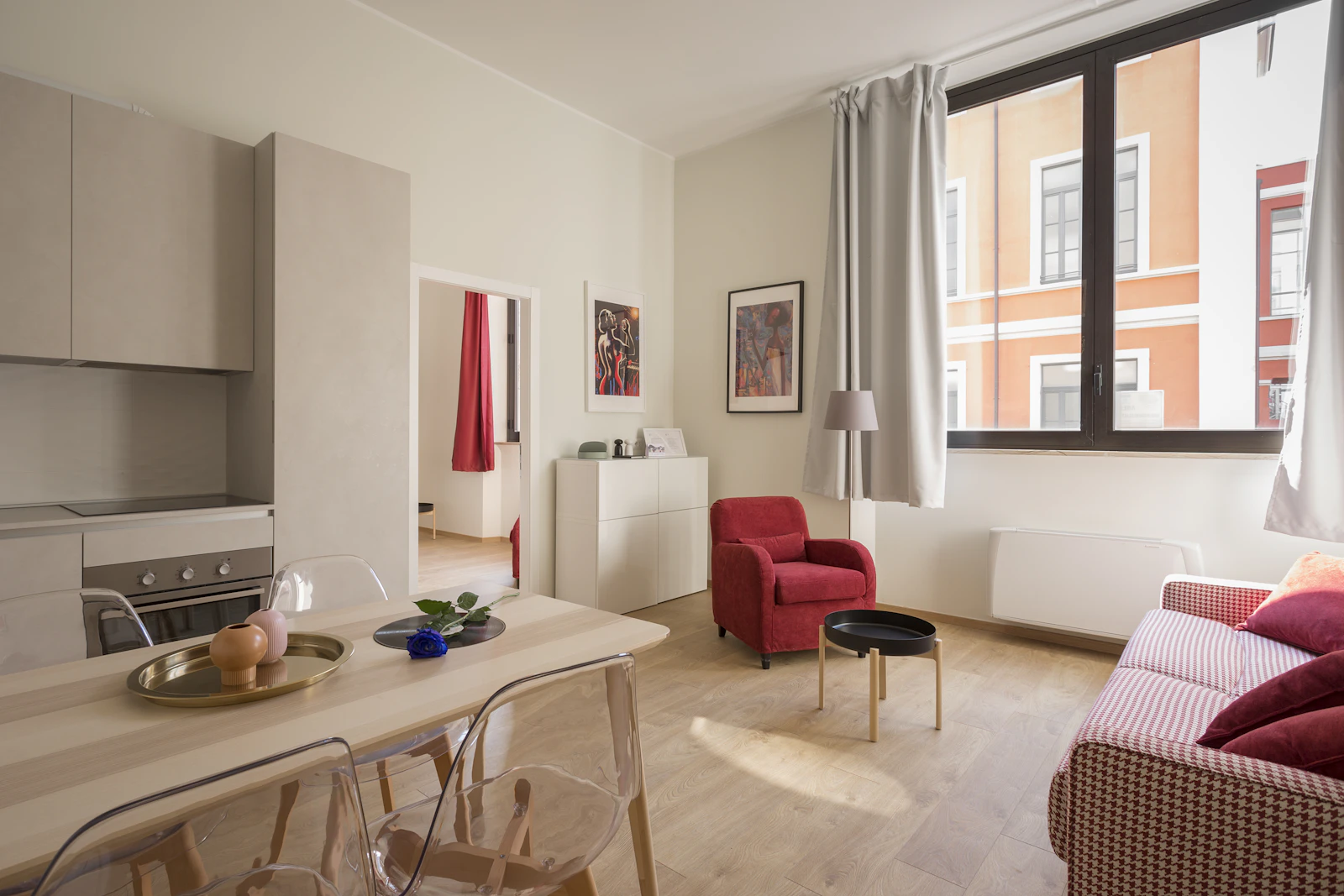
The coastal property market in Kenya is undergoing a profound structural evolution in 2026. Historically viewed as a cyclical vacation-home market dependent on seasonal tourist arrivals, Mombasa and its adjacent coastal corridors are transitioning into a robust, year-round economic engine — driven by infrastructural developments, the stabilization of the Kenyan Shilling, and an emerging class of professional remote workers and diaspora investors.
According to comprehensive market reports compiled in mid-2026, Mombasa's residential real estate sector recorded an average annual rental yield of 6.2% and price appreciation of 7.2% across all primary segments. These high-level averages hide significant variation — performance is polarized between an oversupplied premium luxury segment and hyper-profitable mid-end developments catering to local professionals and the short-term vacation rental (Airbnb) economy.
1. The 2026 macroeconomic picture: why coast, why now?
Mombasa is Kenya's oldest city and second-largest urban centre. Its economy is built on a stable trifecta: the Port of Mombasa (East Africa's most critical trading gateway), marine and conference tourism, and an expanding services and industrial sector.
The county covers a mere 230 square kilometres — the geographically smallest county in Kenya — while hosting a population density over 5,532 persons per square kilometre. Because land on Mombasa Island itself is structurally exhausted, development has pushed heavily into the North Coast (Nyali, Bamburi, Shanzu, and Kilifi County) and the South Coast (Likoni, Tiwi, and Diani). Structural shifts in the global workforce have also driven a steady rise in the coastal expat and digital-nomad demographic — the 4.5-hour SGR connection to Nairobi plus frequent, competitive daily flights make "dual-city living" highly viable.
2. Infrastructure catalysts reshaping property values
In real estate, infrastructure precedes capital appreciation. Several mega-projects are fundamentally altering the coast's geographical barriers in 2026:
A. The Mombasa Gate Bridge (Likoni)
The single most anticipated infrastructure project in the coastal market. For decades, the Likoni Channel has forced commuters onto slow, unpredictable vehicular ferries. The bridge is designed to eliminate that bottleneck entirely, converting Likoni, Tiwi, and Diani from isolated holiday destinations into accessible commuter hubs.
B. Mombasa West Roads Network and Dongo Kundu Bypass
Now largely operational, this highway network bypasses Mombasa Island entirely, linking the Nairobi-Mombasa highway directly to the South Coast and the Port Reitz industrial zone — opening up Changamwe and Miritini for industrial, warehouse, and logistics real estate.
C. Expansion of the Port of Mombasa (Kilindini Harbour)
Ongoing expansion continues to drive employment, bringing engineers, logistics managers, and clearing agents into the city — a permanent workforce that is a major demographic driver for long-term, mid-end residential housing on the mainland.
Strategic investment rule: buy on the periphery of these infrastructure developments before they reach 100% completion. Once the ribbon is cut on projects like the Mombasa Gate Bridge, the early-stage entry window closes and prices adjust to premium levels.
3. Market segmentation: where the real returns lie
Mombasa's real estate market in 2026 is divided into three distinct residential tiers:
| Market segment | Key locations | Average yield | Avg. occupancy | Primary drivers & demographics |
|---|---|---|---|---|
| Lower-mid end | Tudor, Bamburi, New Nyali | 6.0%–7.5% | 89.2% | Young families, local professionals, budget Airbnb |
| Upper-mid end | Central Nyali, Kizingo, Shanzu | 7.0%–10.0% | 82.6% | Corporate tenants, expats, mid-to-high Airbnb |
| High-end / luxury | Old Nyali, beachfront Shanzu | 2.0%–4.0% | 62.2% | High-net-worth individuals, holiday villas |
The high-end luxury segment is currently oversupplied — with occupancy hovering at 62%, nearly four in ten premium properties sit empty during the off-season. Factoring in heavy maintenance, security, and air-conditioning costs, a 2.7% pure rental yield on a KSh 100M+ villa represents a negative real return after inflation. The upper-mid and lower-mid segments, by contrast, are the star performers of 2026 — driven by high demand from working middle-class professionals, local families, and tourists seeking budget-friendly, furnished short-stay options.
4. Detailed hotspot deep-dives: the best coastal areas
A. Nyali (the blue-chip powerhouse)
B. Bamburi (the high-yield champion)
C. Shanzu (the resort zone sweet spot)
D. Tudor (the island edge)
E. Vipingo (the master-planned future)
5. The short-term rental (Airbnb) playbook in 2026
Short-term holiday rentals can yield double the revenue of a traditional 12-month lease in Mombasa — but treating a coastal Airbnb like a passive investment is a recipe for financial loss.
Data-driven nightly benchmarks (2026): furnished 2-3 bedroom apartments in prime Nyali or Shanzu fetch KSh 5,500–15,000/night in peak season (Dec–Mar, Jul–Aug); rates routinely drop 50–70% in low season (Apr–Jun). A realistic 60–70% blended annual occupancy still delivers a gross yield of 7–10%.
Critical rules for STR success in Mombasa
6. Crucial risks and pitfalls for investors to avoid
Risk 1: unclear land tenure and historical land disputes
Parts of the coast — especially Likoni, Kisauni, and rural Kilifi — are plagued by historical squatter settlements, community land overlaps, and inheritance disputes. Never buy land without a thorough search, an independent land surveyor, and validation of spousal consent and local community feedback. Our full land-buying guide covers the national due-diligence checklist.
Risk 2: high humidity and saline corrosion
The coastal atmosphere is highly saline. Properties within 2 km of the ocean suffer rapid structural degradation — concrete cracks, structural steel corrodes, and low-quality paint peels within months. Ensure the developer used marine-grade concrete, saline-resistant paint, and quality UPVC or aluminum fittings.
Risk 3: unregulated developers and "off-plan" scams
Several unregulated developers sell off-plan apartments with flashy 3D renders at unrealistically low prices; many stall due to poor financial planning, leaving buyers with lost deposits. Only buy from developers with a proven, verifiable track record, or ensure your funds sit in a secure lawyer-managed escrow account until construction milestones are met.
7. Investment decision matrix by budget & target yield
| Investor profile | Target location & asset type | Required budget (KSh) | Expected yield (gross) | Primary goal |
|---|---|---|---|---|
| First-time investor | 2-bedroom apartment in Tudor, Bamburi, or New Nyali | 3.5M–7M | 6.0%–7.5% | Low-risk, steady monthly rental cash flow |
| Airbnb & tourism player | Furnished 2-3 bedroom apartment in central Nyali or Shanzu | 7.9M–14.5M | 7.0%–10.0% (blended) | High cash flow, seasonal tourist peaks |
| Diaspora holiday + yield | Furnished 2-bed in Shanzu or Vipingo | 8.0M–15.0M | 6.5%–8.5% | Personal vacation use + Airbnb rental when away |
| Land / speculative investor | Serviced plots in Kikambala or Outer Bamburi | 8M–25M per acre | N/A (yield-free asset) | Long-term capital gains, future development |
Frequently asked questions
Is Kizingo a good area for residential real estate investment?
Kizingo is Mombasa's administrative and high-security zone, hosting State House and premium government offices, with the highest land value on Mombasa Island (averaging KSh 244.6 million per acre). It offers high security and prestigious tenants, but the extremely high entry price compresses rental yields — a preservation-of-capital play rather than a high-yield one.
Can a non-citizen or foreigner buy beachfront property in Mombasa?
Yes, foreigners can legally buy land and property under leasehold tenure (typically 99 years). Non-citizens cannot own agricultural or freehold land without a specific presidential exemption, which is highly uncommon — always purchase through a registered conveyancing lawyer.
How has the SGR impacted Mombasa's real estate?
The Standard Gauge Railway has turned Mombasa into a viable weekend destination for Nairobi residents, significantly boosting the performance of short-term rental units — tourists can travel from Nairobi to Mombasa in 4.5 hours without the cost and hassle of flying or a long road trip.
Should I buy old properties in Old Nyali and renovate them?
Renovating older properties in Old Nyali can yield massive capital gains on a prime plot with a clean title, but beware of structural issues — older coastal properties often have severe plumbing damage and corroded concrete slabs from long-term salt-air exposure. Hire a structural engineer for a thorough inspection before making an offer.
Ready to look at the coast? Browse verified listings in Mombasa, or compare against the best rental-property towns outside Nairobi and the broader case for real estate as an investment in Kenya.